The Critical Role of Vitamins and Minerals in Modern Layer Poultry Production
Modern layer poultry farming relies on several important factors, including genetics, management, disease prevention, housing, and nutrition. Among these factors, nutrition plays a key role in maintaining bird health, egg production, eggshell quality, and reproductive performance.
Although proteins, carbohydrates, and fats are needed in larger amounts, vitamins and minerals are equally important. These nutrients help regulate many body processes that support growth, health, immunity, and egg production.
Even though birds require vitamins and minerals in small quantities, deficiencies can have serious consequences. Poor growth, weak eggshells, lower egg production, reduced fertility, poor hatchability, and increased disease risk are common signs of inadequate vitamin and mineral intake.
Understanding Vitamins in Layer Poultry
Vitamins are organic nutrients that help maintain normal body functions. They support growth, reproduction, immunity, metabolism, and overall health. Since poultry cannot produce most vitamins in adequate amounts, these nutrients must be supplied through feed or supplements.
Generally, vitamins are divided into two groups based on how they are absorbed and stored in the body.
Fat-Soluble Vitamins
Fat-soluble vitamins include Vitamins A, D3, E, and K. These vitamins are absorbed together with dietary fats and can be stored in body tissues.
Vitamin A supports vision, growth, healthy skin, and disease resistance.
Vitamin D3 helps birds absorb calcium and phosphorus, which are essential for strong bones and eggshell formation.
Vitamin E acts as an antioxidant and supports immunity, fertility, and reproductive performance.
Vitamin K plays an important role in blood clotting and bone health.
Water-Soluble Vitamins
Water-soluble vitamins include the B-complex group and Vitamin C. Unlike fat-soluble vitamins, they are not stored in large amounts and must be supplied regularly through the diet.
B-complex vitamins help convert feed into energy. They also support nervous system function, protein formation, and nutrient use. Vitamin C becomes especially important during heat stress, disease outbreaks, transportation, and vaccination.
Why Minerals Are Important for Layer Birds
Minerals support many important functions in laying hens. They help maintain bone strength, eggshell quality, immunity, growth, and reproductive performance.
Calcium and phosphorus are the most important minerals for egg production. These nutrients help produce strong eggshells and maintain skeletal strength throughout the laying period.
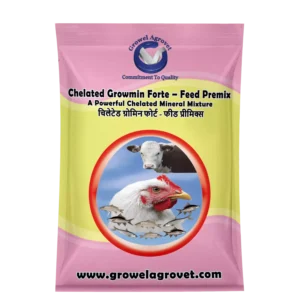
In addition, trace minerals such as zinc, manganese, copper, selenium, iron, and magnesium support enzyme activity, tissue development, fertility, immunity, and metabolic processes.
When birds do not receive enough minerals, they may experience poor shell quality, weak bones, lower hatchability, poor fertility, and reduced flock performance.
Higher Nutritional Needs of Modern Layers
Today’s layer birds are capable of producing more eggs than ever before. Advances in breeding and management have improved production efficiency. However, these improvements have also increased the nutritional needs of modern laying hens.
As production levels increase, birds require higher levels of vitamins and minerals to maintain health and performance.
At the same time, commercial poultry farms expose birds to several stress factors, including:
- Heat stress
- High stocking density
- Vaccination programs
- Transportation
- Disease challenges
- Environmental changes
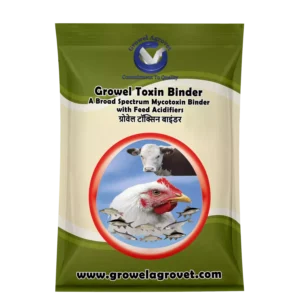
- Mycotoxin exposure
As a result, the vitamin and mineral needs of commercial layers are often higher than the minimum levels required to prevent deficiency symptoms.
Challenges with Natural Vitamin Sources
Feed ingredients naturally contain vitamins and minerals. However, nutrient levels can vary considerably.
Several factors influence nutrient content, including:
- Crop variety
- Climate conditions
- Harvesting methods
- Feed processing
- Storage conditions
- Ingredient quality
In addition, mycotoxins and other feed contaminants can reduce nutrient absorption and effectiveness.
Therefore, relying only on natural feed ingredients may not always provide enough vitamins and minerals for modern layer flocks.
The Importance of Vitamin Supplementation
Because natural vitamin levels can vary, supplementation has become a common practice in commercial poultry production.
Vitamin supplements help ensure that birds receive consistent nutrient levels throughout the production cycle. As a result, producers can better support bird health, egg production, fertility, hatchability, and overall flock performance.
Balanced supplementation programs are particularly important during periods of stress, disease challenges, and peak egg production.
Benefits of Vitamin E and Selenium
Vitamin E and Selenium work together to protect body cells from damage caused by free radicals. This antioxidant action helps birds remain healthy and productive.
Adequate levels of Vitamin E and Selenium may help:
- Support immune function
- Improve resistance to stress
- Promote fertility and hatchability
- Reduce oxidative damage
- Support overall flock health
For this reason, these nutrients are commonly included in layer and breeder nutrition programs.
Importance of Calcium and Vitamin D3
Eggshell quality is one of the most important factors affecting profitability in layer farming. Thin or weak eggshells often result in cracked eggs and economic losses.
Vitamin D3 helps birds absorb and use calcium efficiently. Without enough Vitamin D3, calcium cannot be fully utilized, even when it is present in the diet.
Proper calcium and Vitamin D3 nutrition can help:
- Improve eggshell strength
- Support bone development
- Reduce leg weakness
- Maintain skeletal health
- Support consistent egg production
Furthermore, older hens require additional attention to calcium nutrition because shell quality often declines with age.
Practical Supplementation for Modern Layer Poultry
Many poultry producers use nutritional supplements to meet the higher nutrient demands of modern laying hens.
B-Complex Vitamins and Multivitamins
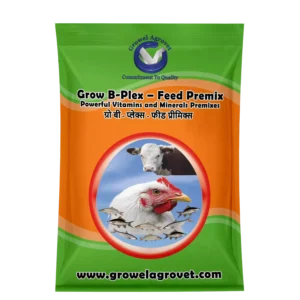
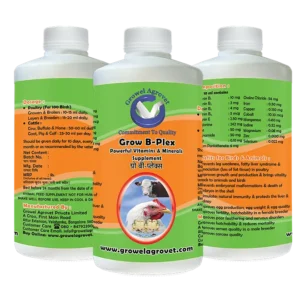
Grow B-Plex provides B-complex vitamins, Vitamin C, Vitamin E, amino acids, and minerals that support energy production, feed utilization, growth, immunity, and egg production.
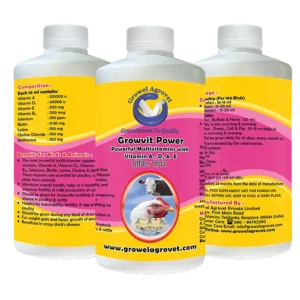
Similarly, Growvit Power contains Vitamins A, D3, E, C, Vitamin B12, Selenium, Biotin, Lysine, and Methionine. These nutrients support growth, fertility, hatchability, immunity, and productive performance.
Antioxidant Support
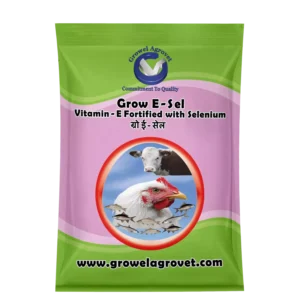
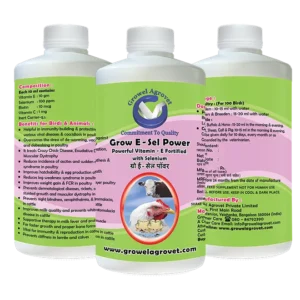
Grow E-Sel Power supplies Vitamin E, Selenium, Biotin, and Vitamin C. Together, these nutrients help reduce oxidative stress and support immunity, fertility, hatchability, and resistance to environmental challenges.
During vaccination, disease outbreaks, heat stress, and peak production, antioxidant supplementation can be particularly beneficial.
Calcium and Bone Health
Calcium management remains a key part of layer nutrition.
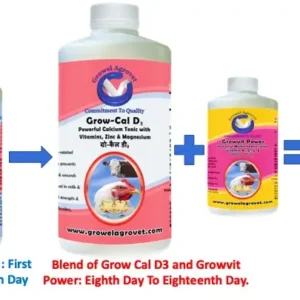
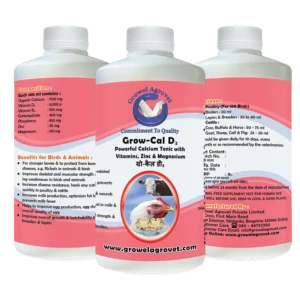
Grow Cal D3 contains calcium, Vitamin D3, phosphorus, zinc, magnesium, and Vitamin B12. These nutrients help support eggshell quality, bone strength, and continuous egg production.
When used as part of a balanced feeding program, vitamin and mineral supplements help birds maintain good health, improve feed efficiency, and support long-term productivity.
Conclusion
Vitamins and minerals are essential nutrients for modern layer poultry production. They support immunity, fertility, eggshell quality, bone strength, stress management, and productive performance.
Because modern laying hens face higher nutritional demands, balanced supplementation has become an important part of flock management. By providing adequate levels of vitamins and minerals, poultry producers can support bird health, improve egg quality, and maintain consistent production throughout the laying cycle.
Related Reading
You may also read: Layer Poultry Medicine Chart . If you are into poultry-related business & want to earn maximum profit, please join our Facebook group, How To Do Profitable Poultry & Cattle Farming?