Poultry Farming in Winter: Complete Guide for Better Health and Production
Poultry farming during winter directly impacts the overall performance of birds because the surrounding temperature drops sharply. Reduced egg production, lower water intake, decreased fertility and poor hatchability are some common challenges. That is why proper poultry management during the cold season becomes extremely important for every poultry farmer.
To ensure maximum profit from poultry farming in winter, birds must be kept free from all types of stress. Harsh cold weather affects temperature, humidity, litter, ammonia levels, feed, water, light and ventilation—each of which plays a crucial role in maintaining bird health and performance.
Below are the major points poultry farmers should take special care of during winter.
Poultry House Management in Winter
A poultry house should be designed in a way that provides maximum comfort to birds during cold months. The structure should be built considering wind direction and sunlight exposure. In winter, since the sun travels lower in the sky, building the shed in an east-west direction ensures more sunlight enters the house throughout the day.
Gunny bags or curtains should be hung at places where cold air enters. These should be rolled down after sunset and kept until the next morning to protect the birds from cold winds.
Proper brooding becomes even more important in winter. Although the brooding method remains the same, achieving the correct temperature and humidity requires more fuel, time and effort during low temperatures.
Poultry House Ventilation Management in Winter
Birds release a lot of moisture through their breath and droppings. Poor ventilation can cause ammonia buildup, resulting in respiratory issues. Therefore, fresh air movement inside the shed is essential.
Sliding windows allow airflow during the day and can be closed at night. Exhaust fans also help remove stale, humid air.
The first 24–48 hours of a chick’s life are critical. Cold air entering the shed becomes heavy and falls directly onto the litter instead of mixing with warm air. This causes early litter spoilage, so ventilation and heating must be adjusted frequently—sometimes even hourly.
Cold-weather ventilation is difficult, but the following steps help maintain proper conditions:
Key Winter Ventilation Tips for Poultry Farms
- Ensure proper insulation and sealing of the shed.
- Run fans at minimum capacity to retain heat, but do not stop minimum ventilation.
- Increase ventilation if ammonia smell or wet litter appears.
- If more ventilation is required, add heat to incoming air rather than reducing fan speed.
- Reduce ventilation if litter becomes overly dry.
- Use circulation fans to mix cold and warm air before it reaches birds.
Light Management for Layers Poultry in Winter
During winter, natural daylight hours reduce, causing birds to enter moulting and stop laying. To avoid production loss, layers should receive 14–16 hours of artificial light daily.
Poultry Litter Management in Winter
Before placing chicks, the floor should be covered with good-quality bedding material (litter). Litter helps maintain uniform temperature, absorbs moisture and prevents direct contact between birds and manure.
A litter depth of 6 inches is ideal for winter. Properly managed litter should feel warm when held in hand.
Wet litter quickly becomes a problem because of leaking pipes, overflowing drinkers, roof drips, and watery droppings. Wet litter forms caked patches, creating an ideal environment for anaerobic bacteria and ammonia gas.
Important Points for Litter Quality
- Maintain litter moisture between 25–35%.
- Monitor heating and ventilation continuously.
- Use feed and water of good quality to prevent watery droppings.
- Replace caked litter immediately.
- Keep the litter dry to avoid bad odour, especially on farms located near residential areas.
A dry, low-pH litter naturally slows down organic matter degradation and prevents foul smell.
Poultry Feeding Management in Winter
Poultry uses feed for two major functions:
- Maintaining body temperature and basic physiological activity
- Building body tissues—meat, bones, feathers, eggs, etc.
In winter, birds eat more feed because low temperatures increase energy requirement. Thus, high-energy diets become necessary.
Energy Requirement in Winter
When birds consume more feed for energy, they also intake extra nutrients unnecessarily, causing wastage. To avoid this, include higher-energy sources such as oil or fat in the diet while adjusting other nutrients accordingly.
During the first 24–48 hours, chicks must eat and drink quickly. Farmers should spread feed on paper sheets and provide additional small drinkers to make it easier for chicks.
Randomly check chicks to ensure the crop is full, soft and round—an indication that they are eating and drinking properly.
Ideal Feed Formula for Winter
- Summer requirement: 23% protein, 3100 Kcal ME/kg
- Winter requirement: 23% protein, 3400 Kcal ME/kg
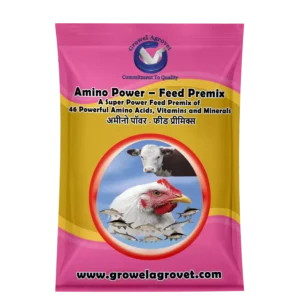
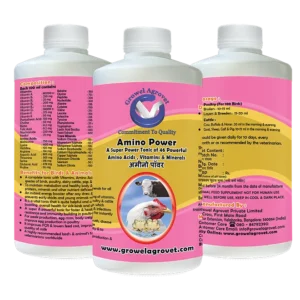
Increasing amino acid levels improves FCR, growth rate and breast meat yield. However, high protein also increases water consumption, which may wet the litter. Products like Amino Power help maintain amino acid balance during the first 20 days.Feed with higher caloric value helps birds stay warm throughout the cold weather.
Poultry Water Management in Winter
During winter, birds naturally consume less water, but maintaining hydration is essential.
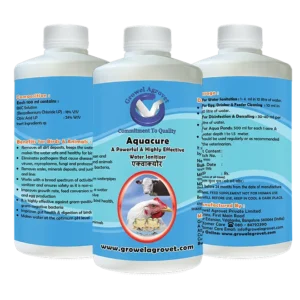
Water should always be fresh, clean and sanitised with products like Aquacure. If water is too cold, mix warm water to bring it to a moderate temperature.
In freezing regions, pipes often get blocked due to ice formation. When temperatures drop below 0°C, inspect water lines regularly to prevent blockage.
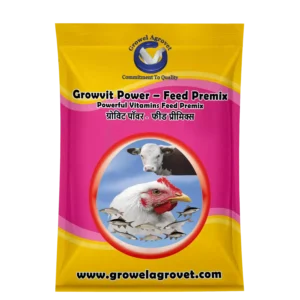
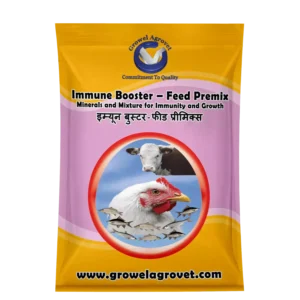
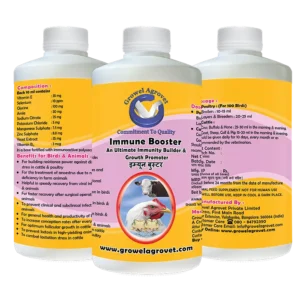
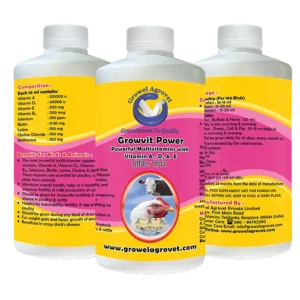
Since birds drink less water in winter, many medicines, vaccines and anti-stress supplements such as Growvit Power, Immune Booster, etc., are given through water. Remove water for a short period before water medication and prepare smaller quantities so birds consume the full dose.
Final Tips for Successful Poultry Farming in Winter
With proper knowledge, correct precautions and the use of high-quality poultry healthcare products, winter poultry farming becomes easy and profitable. Following the above management practices will help you maintain bird health, reduce stress and improve overall production during the cold months.
You should also read Poultry Diseases Management.
If you are into poultry-related business or want to earn maximum profit, please join our Facebook group, How To Do Profitable Poultry & Cattle farming?